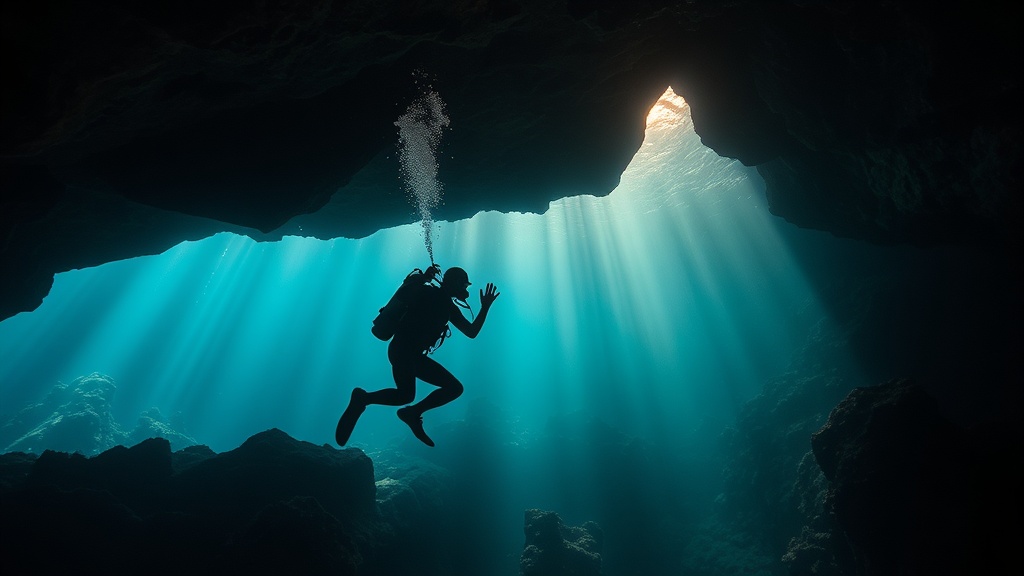
How Cave Divers Rebuild Their Bodies After Extended Penetration Dives

What This Guide Covers—and Why Recovery Gets Ignored
Here's a sobering statistic: decompression illness rates spike not during the dive itself, but in the 48 hours following intense underwater exertion. Cave divers—hauling heavy stages through restriction, maintaining perfect trim for hours, managing psychological load—subject their bodies to unique stressors that recreational divers rarely encounter. Yet most training programs spend 90% of classroom time on dive planning and equipment configuration, leaving post-dive protocols as an afterthought. This guide walks through a systematic recovery and mobility routine designed specifically for cave divers. You'll learn why your shoulders ache after side-mount dives, what your hips are trying to tell you following scooter penetrations, and how to restore full range of motion before your next descent. Think of recovery not as passive rest but as active preparation—for the next dive, and for a lifetime of exploring submerged passageways.
How Soon Should You Start Recovery Protocols After Surfacing?
The clock starts ticking the moment you break the surface. Not tomorrow morning. Not after you grab tacos with your buddy. Within the first hour post-dive, your body is flooded with metabolic byproducts, your tissues are saturated with inert gas, and your central nervous system is still processing hours of hypervigilance. Waiting until you "feel sore" means you've already missed the optimal window.
Start with hydration—but not just water. Cave diving in Florida's springs (where water temperatures hover around 72°F year-round) or Mexico's cenotes (often warmer, around 75-78°F) still triggers thermoregulatory responses that increase fluid loss. Your body prioritizes keeping your core warm, diverting blood flow from extremities and increasing metabolic demand. Add the diuretic effect of breathing dry, compressed gas for hours, and you're operating from a hydration deficit before you even feel thirsty.
Target 500ml of fluid within 30 minutes of surfacing—ideally something with electrolytes. Sodium, potassium, and magnesium help restore cellular function and support the off-gassing process. Skip the beer until you've consumed at least a liter of water; alcohol's vasodilatory effects might feel relaxing, but they complicate decompression physiology when your tissues are still loaded with nitrogen.
What Specific Mobility Work Do Cave Divers Actually Need?
Cave diving creates asymmetrical loading patterns that recreational diving doesn't replicate. Side-mount divers spend hours with their heads cranked back (to keep lights illuminating the ceiling), shoulders internally rotated, and hips flexed at 90 degrees. Back-mount divers with multiple stages experience compressed thoracic spines and overworked lumbar erectors from maintaining horizontal trim. DPV (scooter) pilots grip handles with white-knuckle intensity, creating forearm and wrist tension that lingers for days.
Your first mobility session should happen within 2-4 hours post-dive—after you've rehydrated, eaten something substantial, and spent at least 30 minutes horizontal (preferably napping). This isn't the time for aggressive stretching or foam rolling. Think gentle, pain-free movements that restore blood flow without creating additional inflammatory responses.
Start with thoracic spine extensions. Lie over a foam roller positioned at your mid-back, support your head with your hands, and extend backward gently—10 slow repetitions, moving the roller up one vertebra at a time. Cave divers live in thoracic flexion; extension work counteracts the hunched position you've maintained for hours. Follow with hip flexor mobilizations: half-kneeling position, posterior pelvic tilt (think "tuck your tailbone"), and a gentle forward shift. Your hip flexors have been shortened in your diving posture—ignoring them creates anterior pelvic tilt, lower back pain, and compromised finning efficiency on subsequent dives.
Shoulder work comes next, and it requires nuance. Internal rotation (which you've been holding for hours) doesn't need more stretching—it needs external rotation strengthening and scapular retraction. Try wall slides: back flat against a wall, arms in a "W" position, slide them up to a "Y" without letting your ribs flare or low back arch. This re-establishes the shoulder's centrated position and activates the lower trapezius muscles that fatigue during long dives.
How Do You Address the Mental and Nervous System Recovery?
Physical recovery is only half the equation. Cave diving places unique demands on your nervous system—hours of focused attention, risk assessment, and emotional regulation. The sympathetic (fight-or-flight) state that keeps you alert underwater doesn't simply switch off when you surface. Many divers report difficulty sleeping after intense dives, a racing mind during surface intervals, or a vague sense of unease that persists for hours.
Down-regulation should begin immediately post-dive. Box breathing—four counts of inhale, hold, exhale, hold—triggers the parasympathetic nervous system and accelerates the transition from alertness to rest. Practice this during your surface interval, not just after the final dive. The more familiar your nervous system becomes with this pattern, the faster you'll recover between multi-dive days.
Temperature contrast therapy (alternating hot and cold exposure) shows promise for recovery, but cave divers should approach it cautiously. Cold water immersion immediately post-dive can theoretically increase bubble formation by reducing blood flow and gas elimination. Better to wait at least 90 minutes after surfacing before cold exposure, and always precede it with adequate hydration. If you're diving in cold water environments (the UK's Wookey Hole or northern Florida's caves in winter), your body has already experienced significant thermal stress—skip the cold plunge and opt for gentle heat instead.
Sleep deserves special attention. Growth hormone release during deep sleep drives tissue repair, and sleep deprivation measurably impairs cognitive function—something you can't afford if you're planning additional dives. Create a post-dive wind-down routine: no screens 90 minutes before bed (blue light suppresses melatonin), a cool dark room (65-68°F), and if your mind is still racing, try a body scan meditation. Start at your feet and slowly move attention upward, noticing sensations without judgment. It's remarkably effective at interrupting the mental loops that keep divers awake.
What Should Your Nutrition Strategy Look Like Post-Dive?
Decompression stress creates oxidative damage at the cellular level. While your body has natural antioxidant systems, supporting them with strategic nutrition accelerates recovery and may reduce inflammation. This doesn't require expensive supplements—whole foods provide everything you need.
Within two hours of surfacing, prioritize protein and carbohydrates. The protein provides amino acids for tissue repair (your muscles have been working, even if it doesn't feel like "exercise"), while carbohydrates replenish glycogen stores depleted by shivering thermogenesis and sustained low-level exertion. Aim for 20-30 grams of protein and 40-60 grams of carbohydrates—a turkey sandwich, Greek yogurt with fruit, or rice and fish all work well.
Antioxidant-rich foods help counter oxidative stress. Berries, dark leafy greens, and colorful vegetables provide polyphenols and vitamin C without the pro-oxidant risks associated with high-dose synthetic supplements. Omega-3 fatty acids (from fatty fish, walnuts, or flax) support anti-inflammatory pathways—particularly relevant if you're diving multiple days in succession.
One often-overlooked factor: nitrogen narcosis and elevated partial pressures of oxygen can deplete certain micronutrients, particularly B-vitamins and magnesium. Include foods rich in these nutrients in your post-dive meals—leafy greens, legumes, nuts, and whole grains. Some divers find supplemental magnesium (particularly glycinate or malate forms) helpful for muscle relaxation and sleep quality, though individual responses vary.
When Is Your Body Actually Ready for the Next Dive?
The temptation—especially on expensive expedition trips to Mexico's Yucatán or Florida's cave systems—is to maximize dive time. Three dives per day, back-to-back days, pushing your physical limits because you're "only" swimming slowly. This approach accumulates fatigue, degrades decision-making, and increases DCI risk.
True readiness requires honest self-assessment. Can you take a full, deep breath without restriction in your chest or shoulders? Does your lower back feel neutral when lying flat? Are you sleeping through the night without waking tense? These are better indicators than simply checking your pressure groups or surface interval times.
Build at least one full recovery day into every three-day diving block—more if you're doing deep or long penetrations. On these days, prioritize mobility over intensity. Long walks (gentle cardiovascular work promotes circulation without impact), swimming in warm water (movement through full range of motion), and extended sleep all support recovery better than lying on the couch. Active recovery beats passive rest for cave divers because it addresses the specific movement patterns that diving restricts.
Pay attention to patterns over time. If you're consistently sore in the same areas—tight hip flexors, aching lower back, burning between your shoulder blades—your in-water technique needs adjustment, not just post-dive stretching. Consult an instructor (preferably one with cave diving experience) to evaluate your trim, weight distribution, and propulsion techniques. Good technique prevents the problems that recovery has to solve.