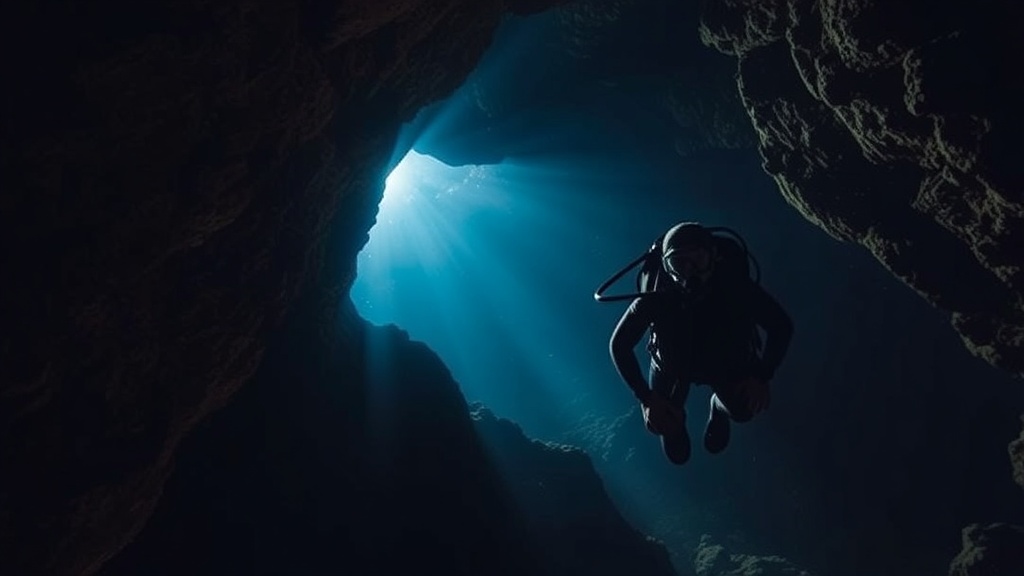
Cave Diver Conditioning: Building the Strength and Endurance to Explore Safely

This guide covers the specific physical conditioning needed for safe cave diving — from breath control and finning endurance to the core strength that keeps a diver stable in zero visibility. Poor fitness doesn't just make a dive uncomfortable; it increases gas consumption, raises the risk of panic, and turns minor equipment problems into life-threatening emergencies. Whether you're training for your first cavern certification or preparing for multi-stage dives at Ginnie Springs, the right conditioning program makes the difference between exploration and exhaustion. The good news? You don't need to be an elite athlete. You need to be consistent, intentional, and honest about your weaknesses.
What Fitness Level Do You Need for Cave Diving?
You need a solid baseline of cardiovascular fitness, upper-body strength, and mental composure before entering any overhead environment. Cave diving isn't a sport for beginners who can't swim a mile or carry a twinset up a limestone slope. Most instructors at places like NSS-CDS expect students to handle a 400-yard swim and a weighted surface tow without gasping for air. That said, raw athleticism isn't the only factor — comfort underwater and the ability to stay calm matter just as much.
The demands scale quickly. A simple cavern swim at Cenote Dos Ojos might feel manageable, but a 90-minute penetration dive with two stages and a DPV is a different beast entirely. Your heart rate stays improved. Your legs burn from constant finning. Your shoulders ache from managing multiple tanks. (And that's on a good day — add a silt-out or a guideline search, and the workload doubles.) If you're not training above the level you plan to dive, you're already behind.
Here's the thing: fitness for cave diving isn't measured by how much you can bench press. It's measured by how well you recover from unexpected stress. Can you handle a free-flowing regulator without your heart rate spiking to 180? Can you swim against a mild current in a spring run with doubles on your back? Can you climb out of the water at Ginnie Springs hauling 100 pounds of gear without needing ten minutes to recover? These are the real tests. Pass them in training, and the dives become safer and more enjoyable.
How Should You Build Endurance for Long Cave Dives?
Focus on aerobic base training combined with sport-specific finning drills in a pool or confined water. Long cave dives are low-intensity but continuous — more like a marathon than a sprint. Building a strong aerobic engine keeps your breathing rate down, which conserves gas and reduces CO2 buildup. Worth noting: cave divers often carry double the gas of an open-water diver, so every extra breath costs more than you think.
Running, cycling, and rowing all work. But the best training mimics the actual movement. Cave divers spend most of their time in a horizontal trim position, propelling themselves with flutter kicks or frog kicks while keeping their hands still. Pool sessions with a monofin or standard open-heel fins — think SCUBAPRO Jet Fins or Mares Avanti Quattro Plus — build the exact muscles used during penetration. Try 400-meter finning sets with short rest intervals. The burn in your hip flexors will tell you everything you need to know.
Here's the thing: endurance isn't just about your lungs. It's about technique. A diver who thrashes wastes energy. A diver who glides — using the cave's own contours and avoiding unnecessary corrections — can stretch a single tank far beyond what an unfit diver manages. Video analysis helps. Record pool sessions and watch for dropped knees, sculling hands, or sawing fin strokes. Fix the form, and the fitness follows.
The catch? Dry-land cardio doesn't fully prepare you for the resistance of water. Even elite runners struggle during their first finning sessions because the movement pattern is so different. If you have access to a local spring or quarry, do your conditioning there. Devil's Den in Williston, Florida, offers relatively shallow water perfect for long finning drills without the overhead stress. You're not just building lungs — you're building finning economy.
What Strength Training Exercises Matter Most for Cave Divers?
Prioritize core stability, shoulder durability, and leg power — the three pillars that keep a diver stable and efficient in tight spaces. You don't need to bench 300 pounds. You need the kind of strength that holds a perfect horizontal trim for an hour without your lower back screaming.
Start with the core. Planks, dead bugs, and Pallof presses build the anti-rotation strength that prevents sideways sway in the water. Add weighted pull-ups and inverted rows for shoulder health — cave divers spend a lot of time reaching for guidelines, clipping off stages, and hauling gear. The catch? Shoulder injuries are common in divers who only swim and never strength train.
Why Kettlebells Deserve a Spot in Your Program
Kettlebell work deserves special mention. The Turkish get-up, in particular, mimics the awkward movements of hauling doubles onto a bench or climbing out of the water with 80 pounds of equipment. It's not glamorous, but it works. Farmers carries build the grip and upper-back strength needed to manage multiple tanks on land — something you'll do every single day at a cave diving site. Try three sets of 40-meter carries with 70-pound kettlebells in each hand. If your forearms aren't burning, you aren't training hard enough.
For legs, focus on posterior-chain work. Romanian deadlifts, Bulgarian split squats, and glute-ham raises build the hamstrings and glutes that drive a powerful frog kick. Avoid excessive quad-dominant training like leg extensions; they don't translate well to finning. A sample weekly split might look like this:
| Day | Focus | Key Exercises |
|---|---|---|
| Monday | Core + Shoulders | Planks, Pallof presses, pull-ups, face pulls |
| Tuesday | Aerobic Finning | Pool finning drills, 400m sets, technique video |
| Wednesday | Legs + Posterior Chain | Romanian deadlifts, Bulgarian split squats, calf raises |
| Thursday | Active Recovery | Light swimming, yoga, or walking with a weighted pack |
| Friday | Full-Body Strength | Kettlebell swings, Turkish get-ups, farmers carries |
| Saturday | Long Cave Dive or Simulation | Confined-water skills, stage handling, silt-out drills |
| Sunday | Rest | Complete recovery — sleep and nutrition |
Is Cardio or Strength More Important for Cave Diving Safety?
Neither stands alone — cardio prevents gas-guzzling panic, while strength prevents fatigue-induced errors that lead to entanglement or silt-outs. The two systems support each other. A strong diver with terrible cardio will hyperventilate at the first sign of stress. A cardio machine with no strength will lose trim, kick up silt, and struggle to manage multiple cylinders.
Most cave diving accidents aren't caused by equipment failure — they're caused by poor decision-making under stress. And stress, more often than not, stems from physical discomfort. When your legs are burning and your shoulders are numb, the temptation to rush a guideline tie-off or skip a gas check becomes real. Training both energy systems gives you the buffer to think clearly when things go sideways.
That said, don't neglect breath work. CO2 tolerance is a hidden factor in cave diving performance. Simple exercises — like box breathing, static apnea tables, or controlled descents on a single breath — train your body to handle improved CO2 without triggering the urge to breathe. Many serious cave divers use apps like STAmina or apnea tables from Divers Alert Network resources to structure their dry breath-hold training. (Just don't practice alone — blackouts happen on land too.)
The data backs this up. PADI and technical training agencies consistently report that fitter divers use less gas, make fewer errors, and recover faster from simulated emergencies. It's not complicated. When your body isn't screaming for oxygen, your brain has bandwidth to solve problems.
How Do You Recover and Maintain Conditioning Between Dive Trips?
You maintain fitness with consistent, moderate training — not heroic two-week cram sessions before a trip to Tulum. Cave diving destinations like the Yucatán or North Florida aren't always local, so many divers go weeks or months between dives. The key is keeping a baseline that doesn't fade.
Two strength sessions and two cardio sessions per week are enough to maintain most of your fitness. Add one pool session if you have access to a lap pool. The catch? If you let your conditioning slip, the first day back in the water will feel like a punishment — and that's when mistakes happen.
Nutrition and sleep matter more than most divers admit. Dehydration thickens your blood and increases decompression risk. Poor sleep dulls reaction time and decision-making. If you're flying to Mexico for a week of cave diving, arrive a day early, hydrate aggressively, and skip the mezcal until after the last dive. Your body — and your dive partner — will thank you.
"The cave doesn't care how tough you are. It cares how prepared you are."
Conditioning for cave diving isn't about looking good in a wetsuit. It's about having the physical reserve to handle the unexpected — a lost line, a free-flowing regulator, a long swim home in the dark. Build your engine, strengthen your shoulders and core, and never let your fitness become the weak link in your safety chain. The best divers aren't always the strongest or the fastest. They're the ones who trained hard enough that the dive felt easy.